


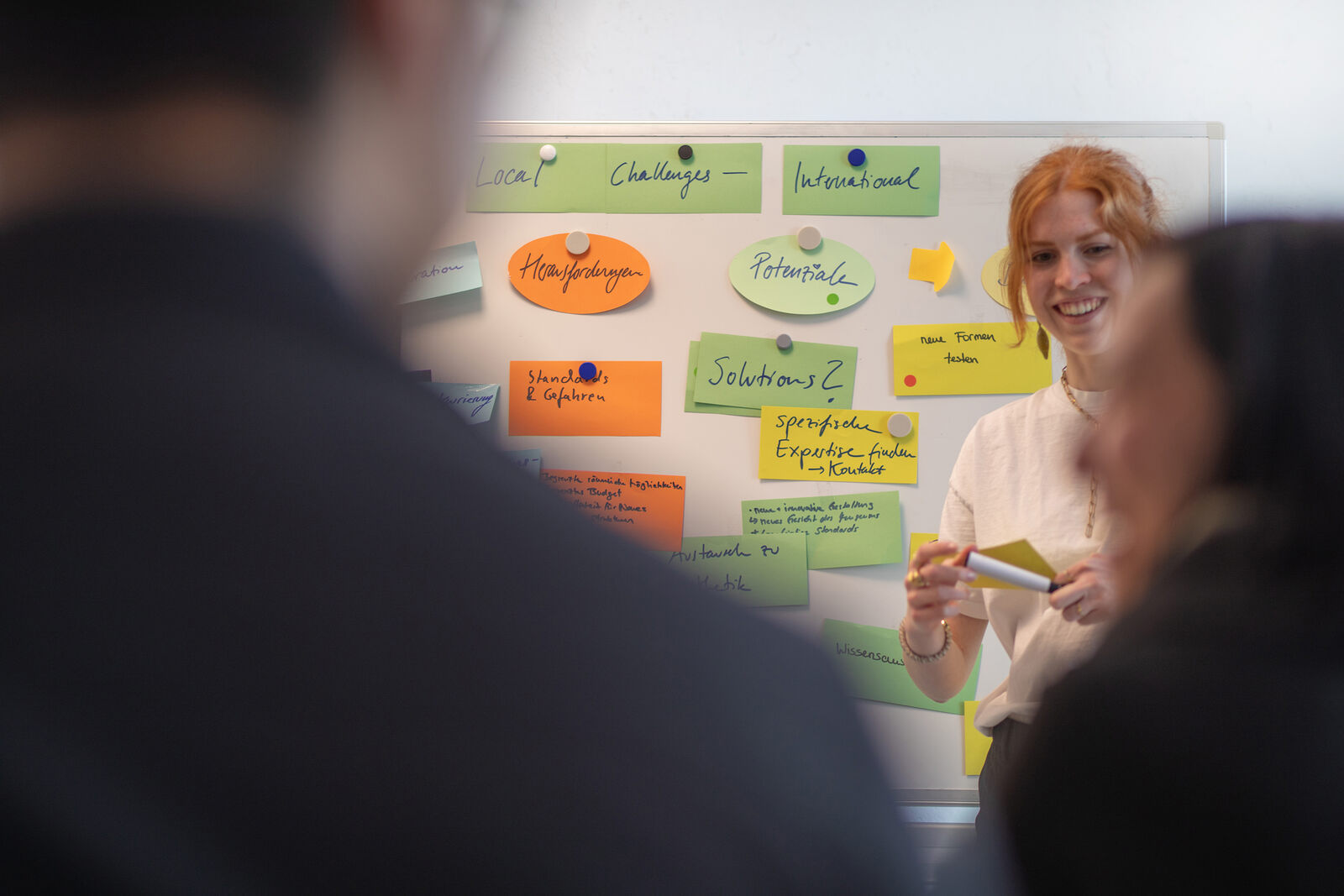
Five institutions, one goal: international cooperation thrives over the long term when it is firmly embedded in organisational structures. This is precisely where the museum agency’s “Set anchor points” programme comes in. It supports the creation of dedicated roles spanning departments to advance international development at museums and exhibition venues with their own collections in Germany. Through their collaborative work, the staff in these roles advance key areas of international museum practice, including access to collections, curating, communication, and mobility.
In February 2026, our international jury selected the Bauhaus-Archiv / Museum für Gestaltung (Berlin), the Deutsches Hygiene-Museum (Dresden), the Kunstpalast (Dusseldorf), the Stiftung Preußischer Kulturbesitz (Berlin), and ZKM | Center for Art and Media (Karlsruhe).
Here, we introduce all five institutions, sharing their perspectives and offering a glimpse of what each new role is making possible and where it is headed.
Bauhaus Archiv / Museum für Gestaltung, Berlin
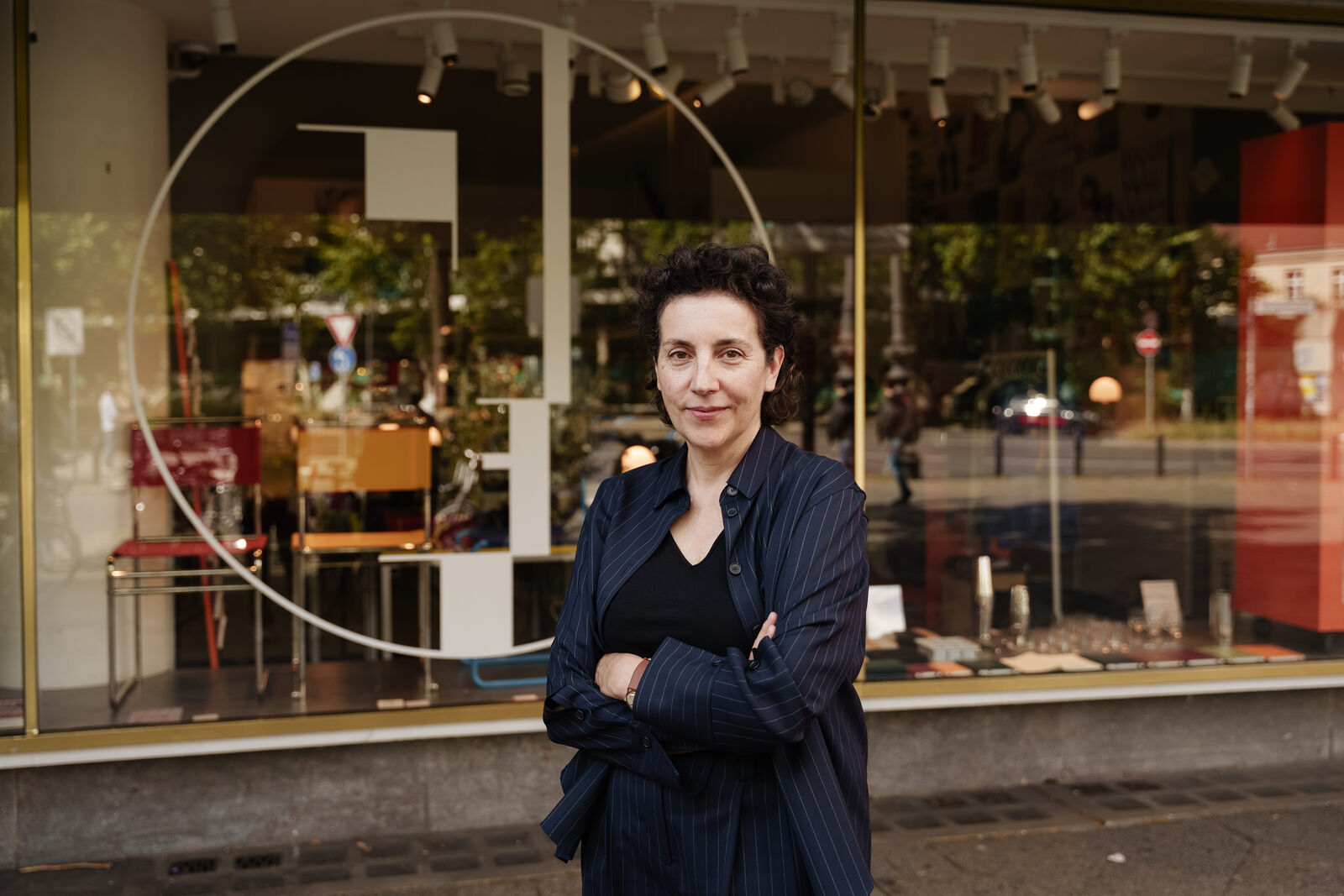
Photo: Pauline Ruther
“The Bauhaus was international and networked from the outset. At a time when borders seem to be reasserting themselves, we are consciously and actively reaching beyond them.”
Prof. Dr. Brigitte Franzen
Director
The reopening of the Bauhaus-Archiv marks the start of a new, globally connected chapter.
An international outlook is part of the Bauhaus DNA and its history: between 1919 and 1933, teachers and students from many countries worked and experimented at the school of art and design. When it was shut down by the Nazis, its practitioners and their ideas scattered across the world, creating a network that endures to this day.
When it reopens in winter 2027–2028, the Bauhaus-Archiv / Museum für Gestaltung, led by Professor Brigitte Franzen, will build on this historical identity and broaden its international reach. As it develops “Bauhaus Art Schools”, its programme for dialogue and exchange, the museum is expanding its collaborations through new institutional partnerships and links with think tanks in art, design, and architecture. Together, the partners aim to revisit pressing questions about teaching, research, and design.
To support the development of this global network, we are funding the position of Curator for International Relations: Bauhaus Art Schools at the Bauhaus-Archiv / Museum für Gestaltung through “Set anchor points”, our programme supporting dedicated roles at German museums to advance international cooperation.
Deutsches Hygiene-Museum, Dresden
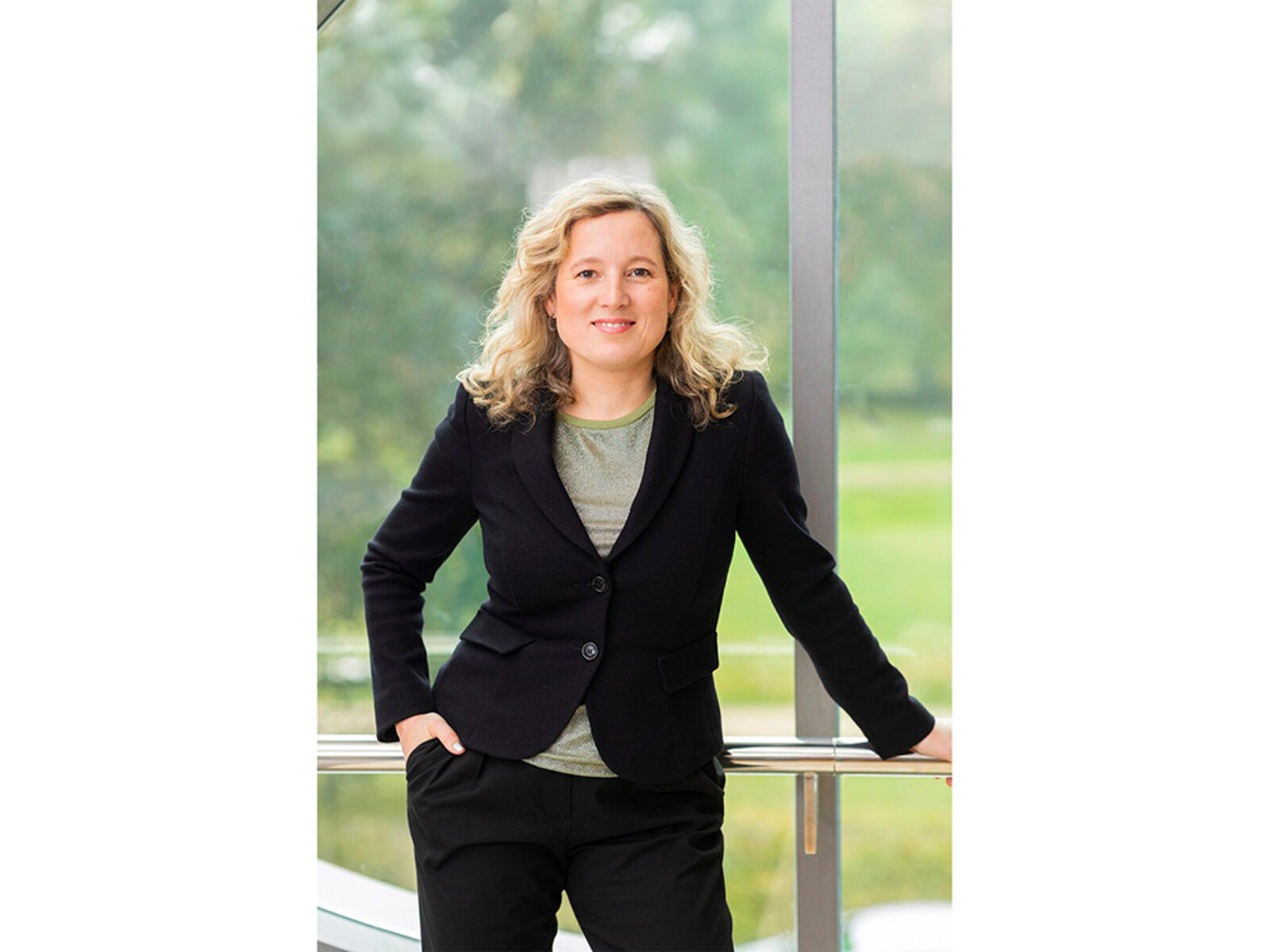
Photo: David Pinzer
“The complex social questions of our time call for diverse perspectives and new ways of producing knowledge. International cooperation helps us achieve this and is central to our organisational development.”
Dr. Iris Edenheiser
Director
Deutsches Hygiene-Museum, Dresden
What does it mean to be human today? The answer depends on whom you ask.
Bodies, health, and what it means to be human: few subjects touch on so many current debates at once. As it rethinks its permanent exhibition, “The Human Adventure”, the Deutsches Hygiene-Museum Dresden aims to offer a nuanced response.
A single cultural perspective is not enough. Director Dr. Iris Edenheiser sees international cooperation as a way to question the museum’s own interpretive authority and bring narratives from multiple perspectives into the exhibition.
To bring in other cultural interpretations and organise joint international exhibition projects, we are funding the position of International Cooperation Officer at the museum through “Set anchor points”, our programme supporting dedicated roles at German museums to advance international cooperation.
Kunstpalast, Düsseldorf
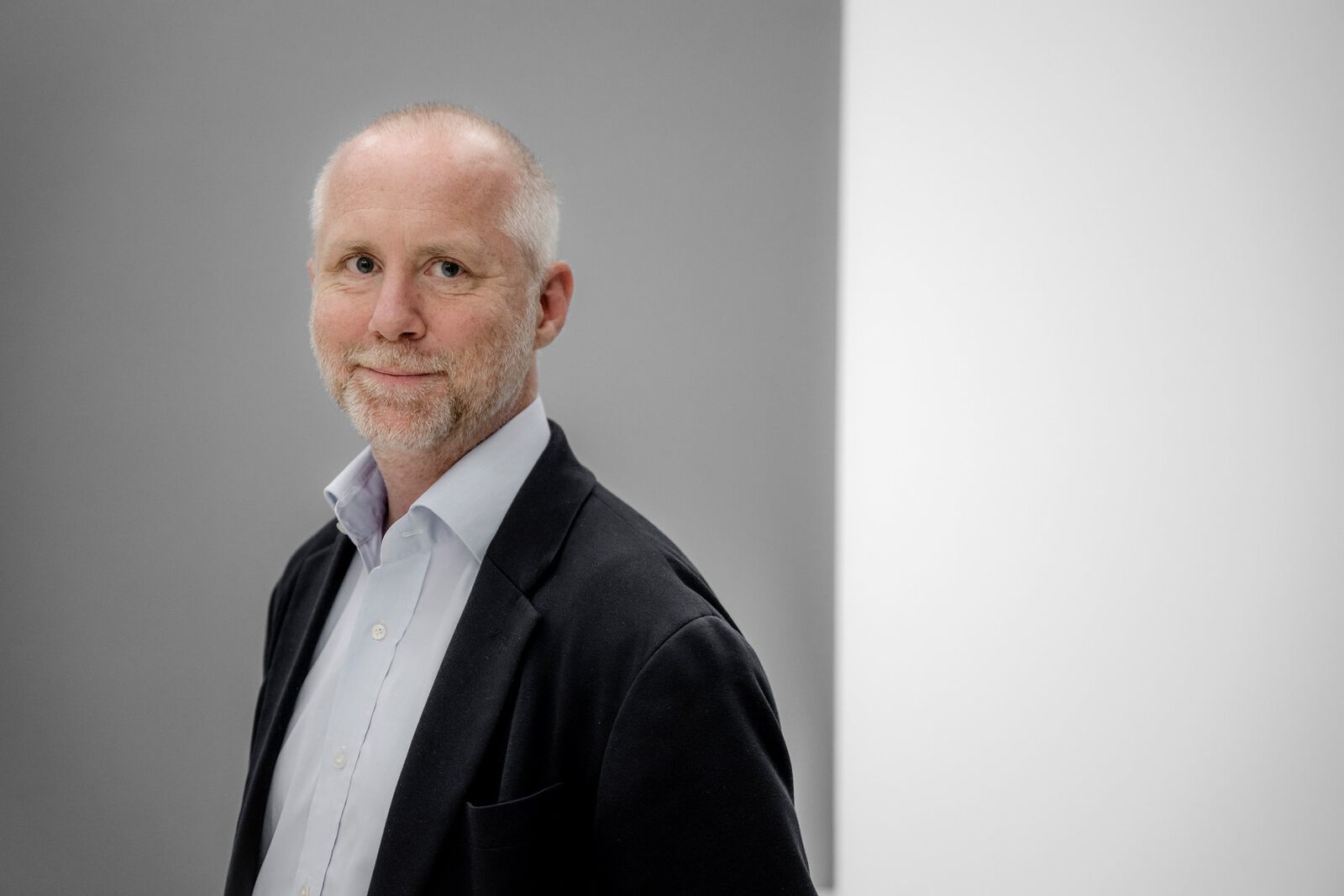
Photo: © Andreas Endermann
“We see our museum’s international connections as a strategic investment in our future.”
Felix Krämer
Director General
Kunstpalast, Düsseldorf
Today, new exhibitions are conceived with a global perspective – the Kunstpalast is positioning itself accordingly.
One of North Rhine-Westphalia’s leading art museums, the Kunstpalast in Düsseldorf combines a history spanning more than 300 years with an exceptional collection of over 130,000 objects. Under General Director Felix Krämer, the museum is now making its international focus an integral part of its exhibition management structures to realise its growing potential for cooperation worldwide.
The aim: to deepen established collaborations, build new partnerships, and strengthen the museum’s international visibility over the long term.
To build this framework, we are funding the position of International Cooperation Project Manager at the Kunstpalast through “Set anchor points”, our programme supporting dedicated roles at German museums to advance international cooperation.
Stiftung Preußischer Kulturbesitz, Berlin
ZKM | Center for Art and Media Karlsruhe
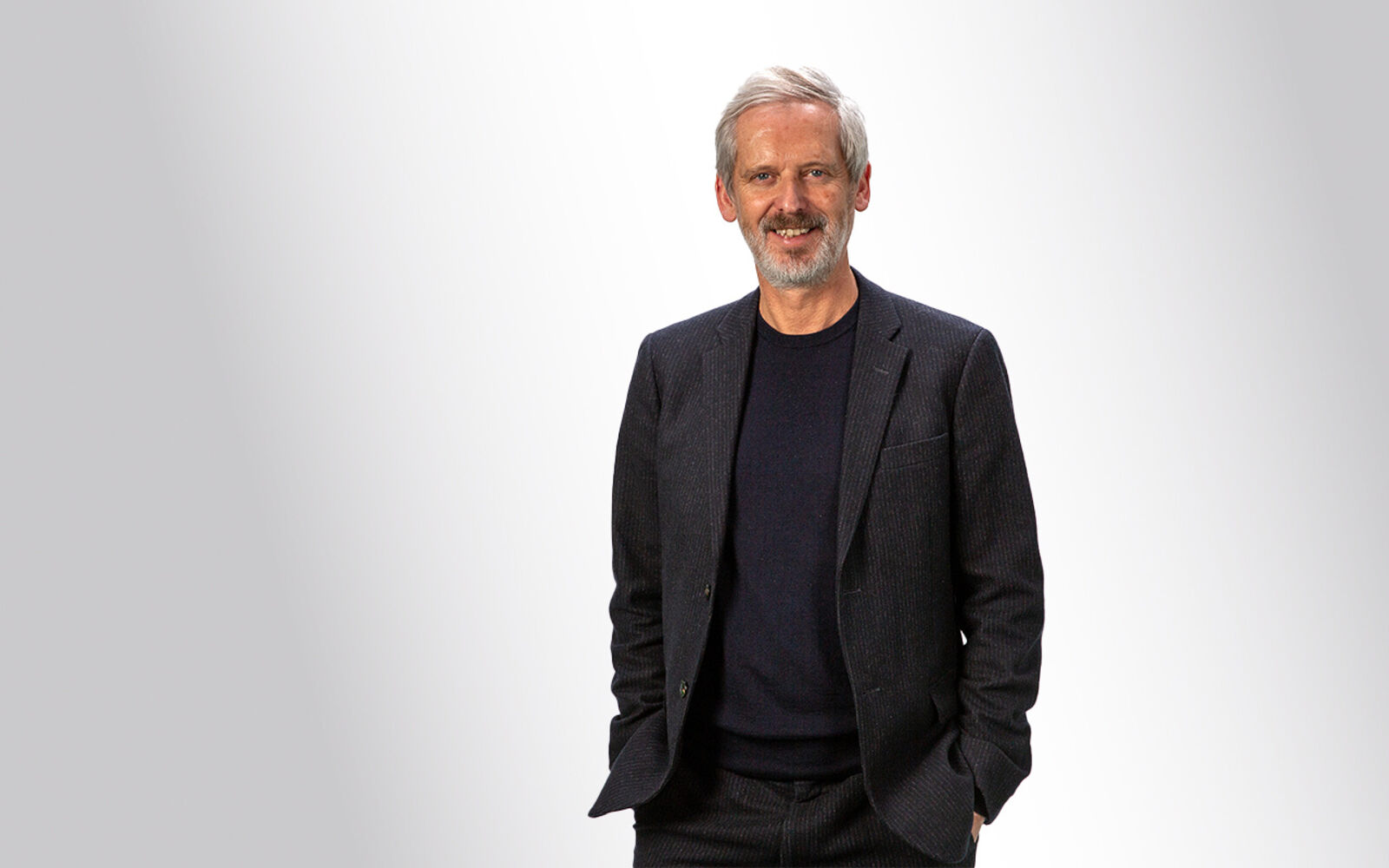
© ZKM | Center for Art and Media Karlsruhe, Photo: Andy Koch.
“Given the growing importance of techno-cultural questions worldwide, we seek to engage with non-Western perspectives.”
Alistair Hudson
Artistic and Scientific Director (CEO)
ZKM | Center for Art and Media Karlsruhe
ZKM is in demand internationally. Now it aims to turn that interest into new collaborations.
As one of the world’s leading institutions at the intersection of art, technology, and society, ZKM | Center for Art and Media Karlsruhe defines itself under Alistair Hudson’s leadership as an interlocal museum – locally rooted, with an extensive international network.
ZKM is actively expanding its global connections to bring perspectives from beyond Europe and new technological developments into its research and exhibition practice. Alongside its existing partnerships in Europe and Asia, it plans to strengthen its engagement with the Global South and develop close, long-term collaborations in Asia.
To help ZKM turn the many enquiries it receives into lasting partnerships, we are funding the position of International Strategy and Cooperation Officer through “Set anchor points”, our programme supporting dedicated roles at German museums to advance international cooperation.