


Engage in dialogues
Ägyptisches Museum und Papyrussammlung (ÄMP), Berlin, Germany
National Corporation for Antiquities and Museums (NCAM), Khartoum, Sudan
The history of northern Sudan, ancient Nubian history, has long been little more than a side note to well-researched pharaonic history. The Sudanese-German funded project “Stories across Borders” is developing a more local, more diverse narrative through international professional exchange, one that focuses more strongly on communities of origin.
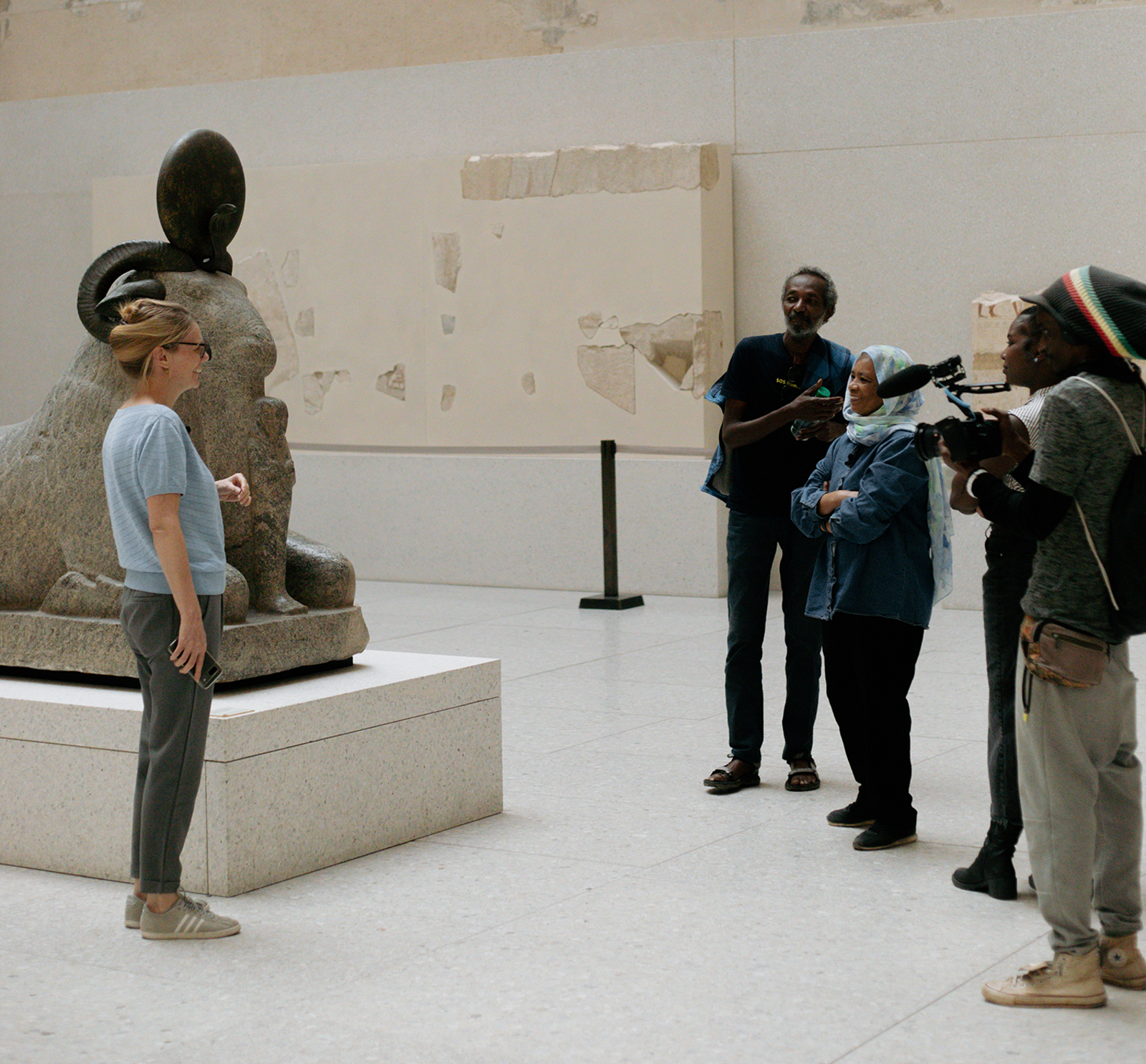
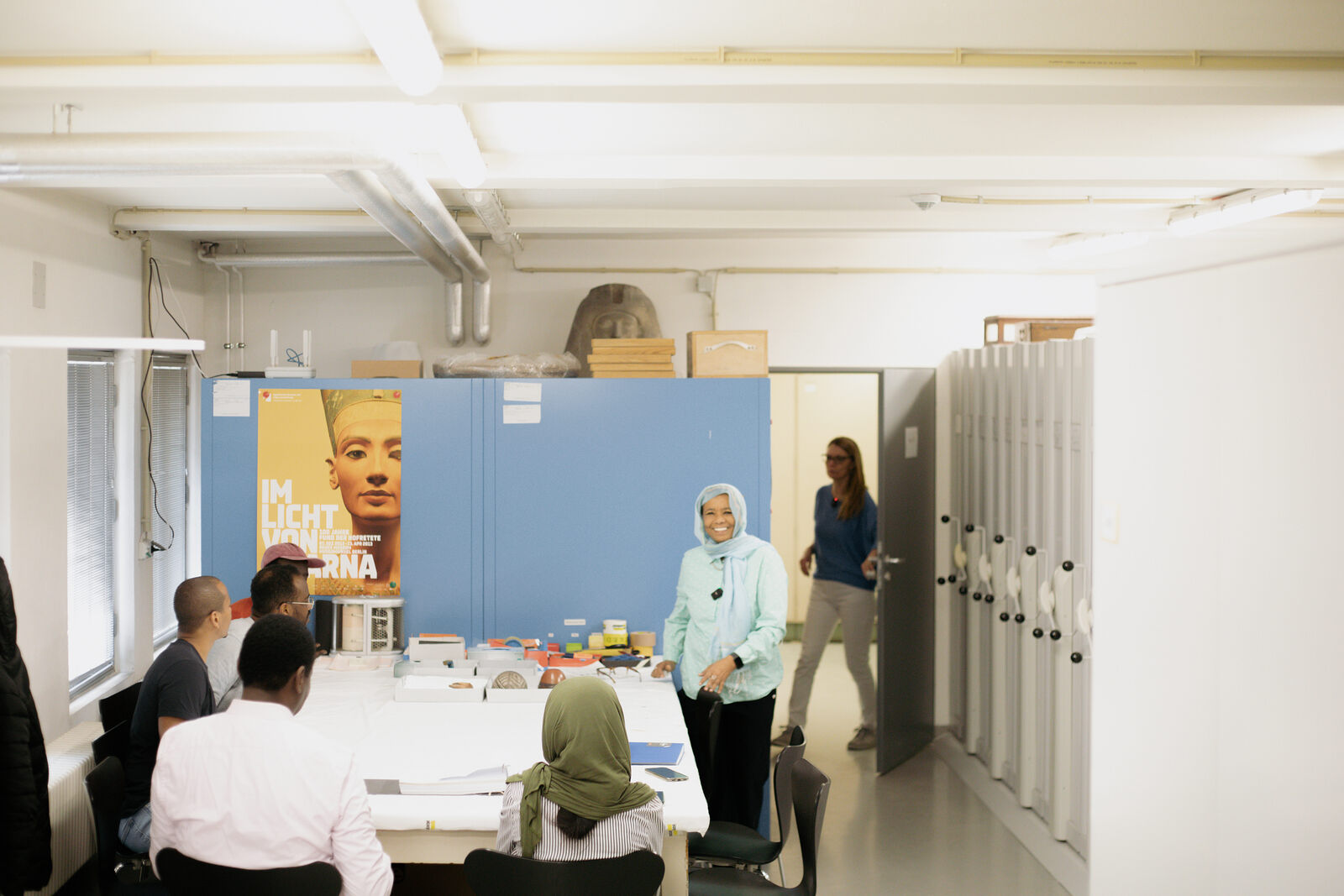
Spring 2026, at the Ägyptisches Museum und Papyrussammlung (ÄMP) in Berlin: archaeologist and ÄMP curator Ilona Regulski stood before the coronation stele of the Nubian king Nastasen (4th century BC) with Shadia Abdrabo, also an archaeologist and senior curator at Sudan’s National Corporation for Antiquities and Museums (NCAM).
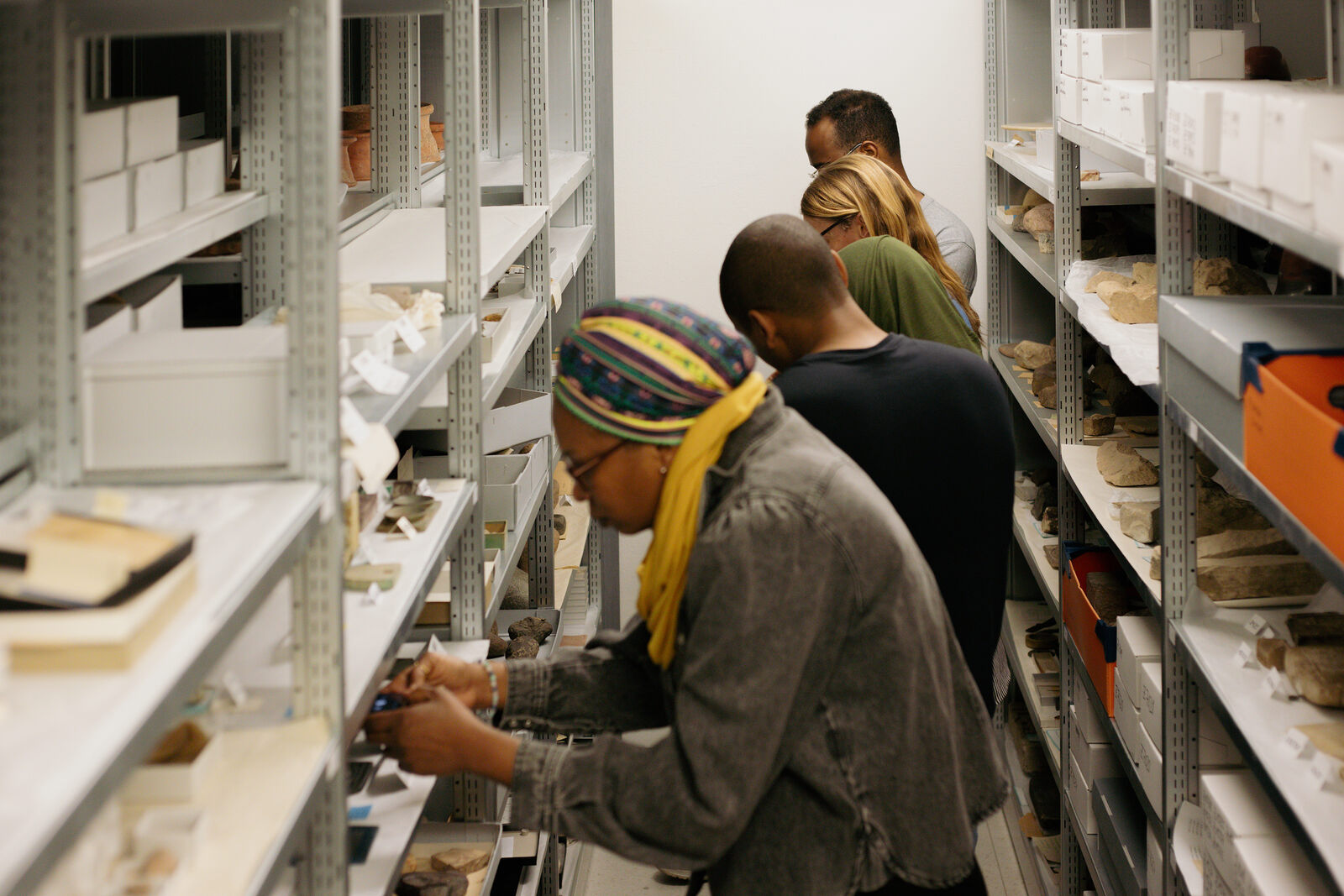
Their dialogue-based project “Stories across Borders” shows vividly how German museums and their audiences benefit from opening up to new stories, while expanding our shared knowledge of humankind’s heritage. Together, Abdrabo and Regulski developed additional perspectives on the ÄMP’s holdings, drawing more strongly on a Sudanese point of view. “History is endlessly diverse,” said Ilona Regulski, “but any museum can only ever tell part of it.” Nubian history, Abdrabo argued, should be understood as the cultural heritage of all Sudanese people, including the diaspora, which has grown significantly since the war in Sudan began in 2023.
“Dialogue means openness: the willingness to change your own perspective because you take your conversation partner seriously. For museums today, dialogues are often successful when they take different communities into account.”
Ilona Regulski
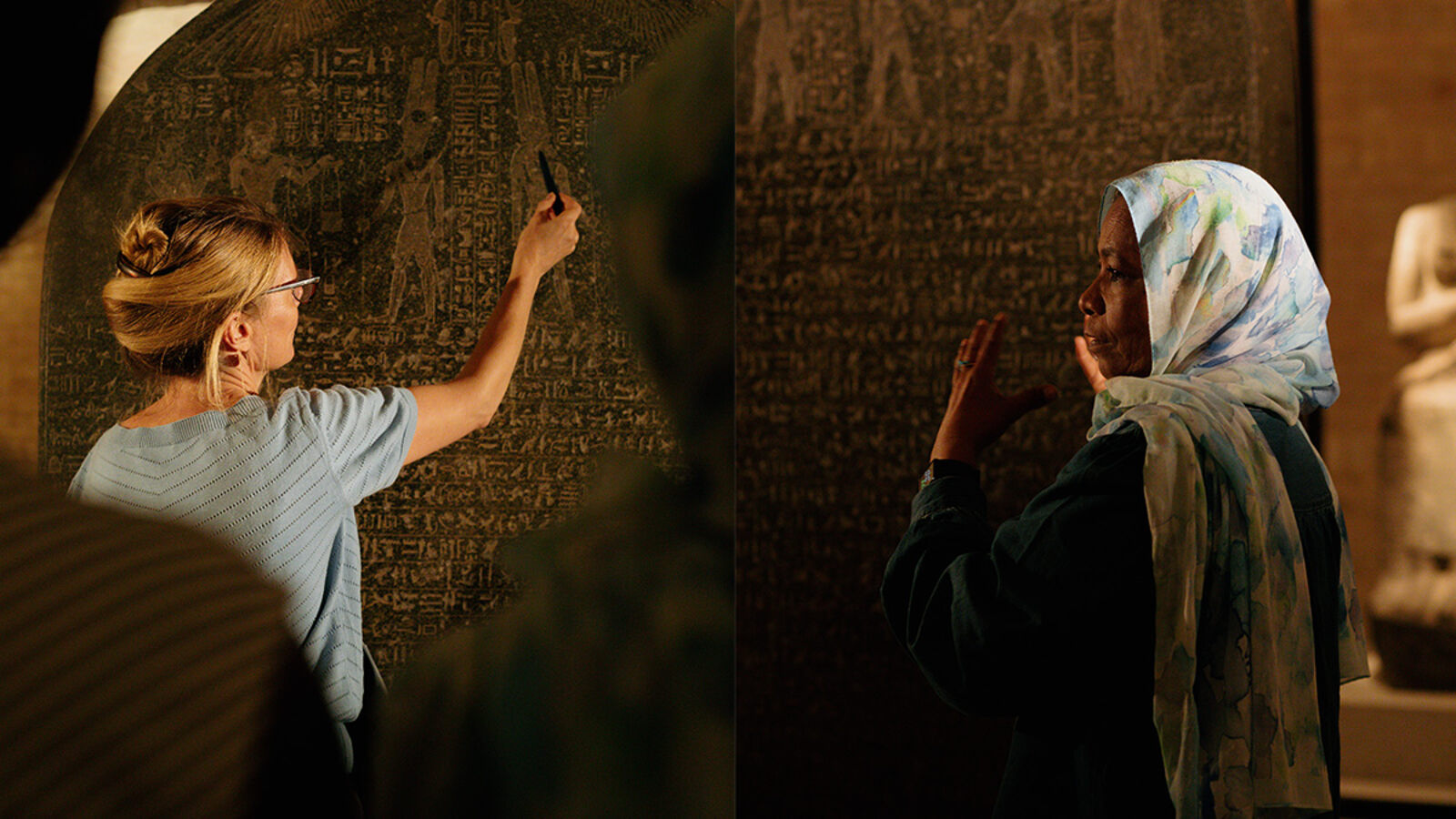
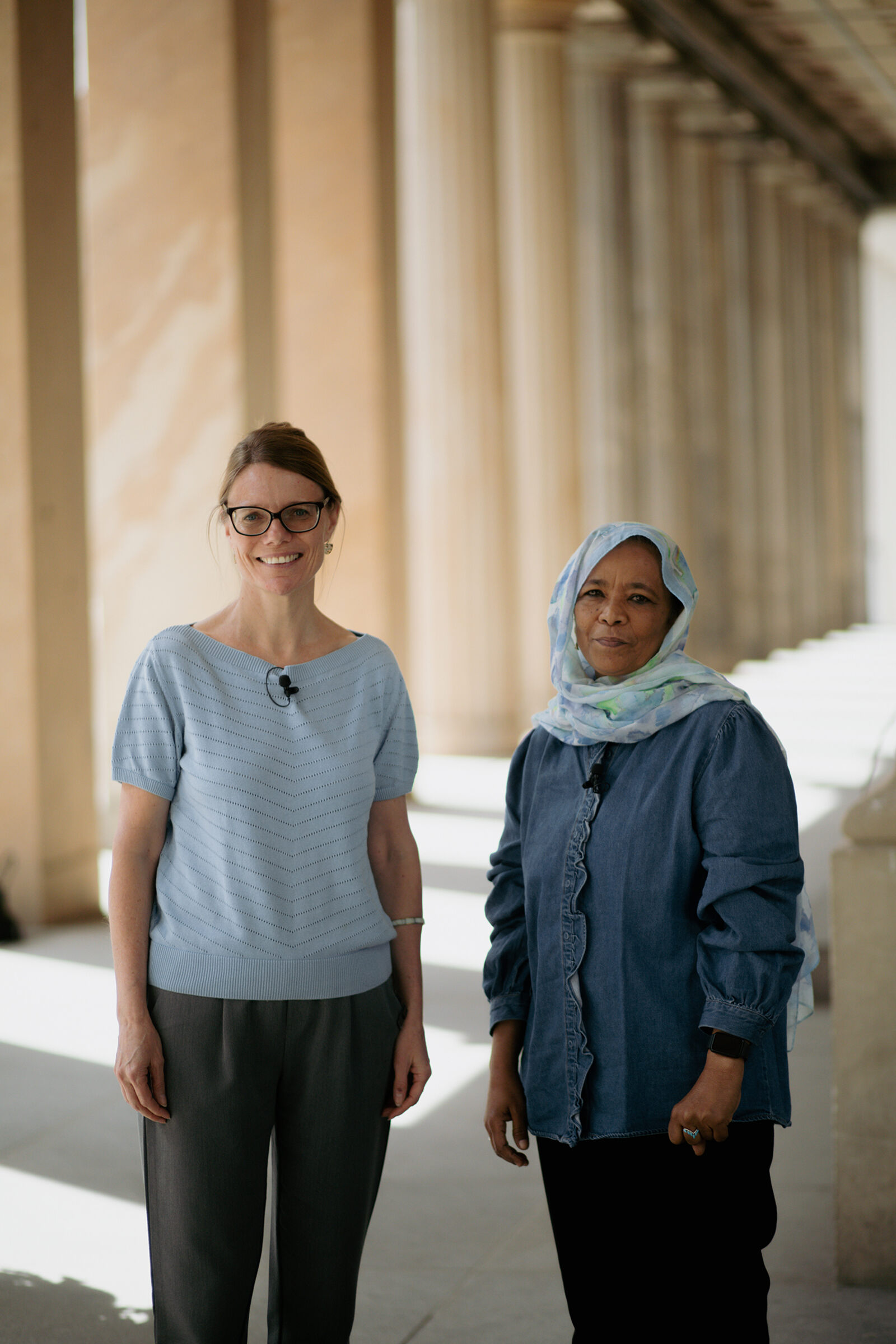
Ilona Regulski and Shadia Abdrabo
“My most important learning from the project was the importance of involving community members directly in the interpretation of museum collections. The Sudanese participants brought personal experiences, memories, and cultural knowledge.”
Shadia Abdrabo
The collaboration is taking place in a difficult context. The war in Sudan, ongoing since 2023, has severely affected museums and cultural institutions in the country; collections have been damaged and looted, and professionals have had to leave their workplaces. Given the war’s impact, international research, collecting, and presentation work on Nubian art, drawing on Sudanese expertise and perspectives, takes on particular importance.
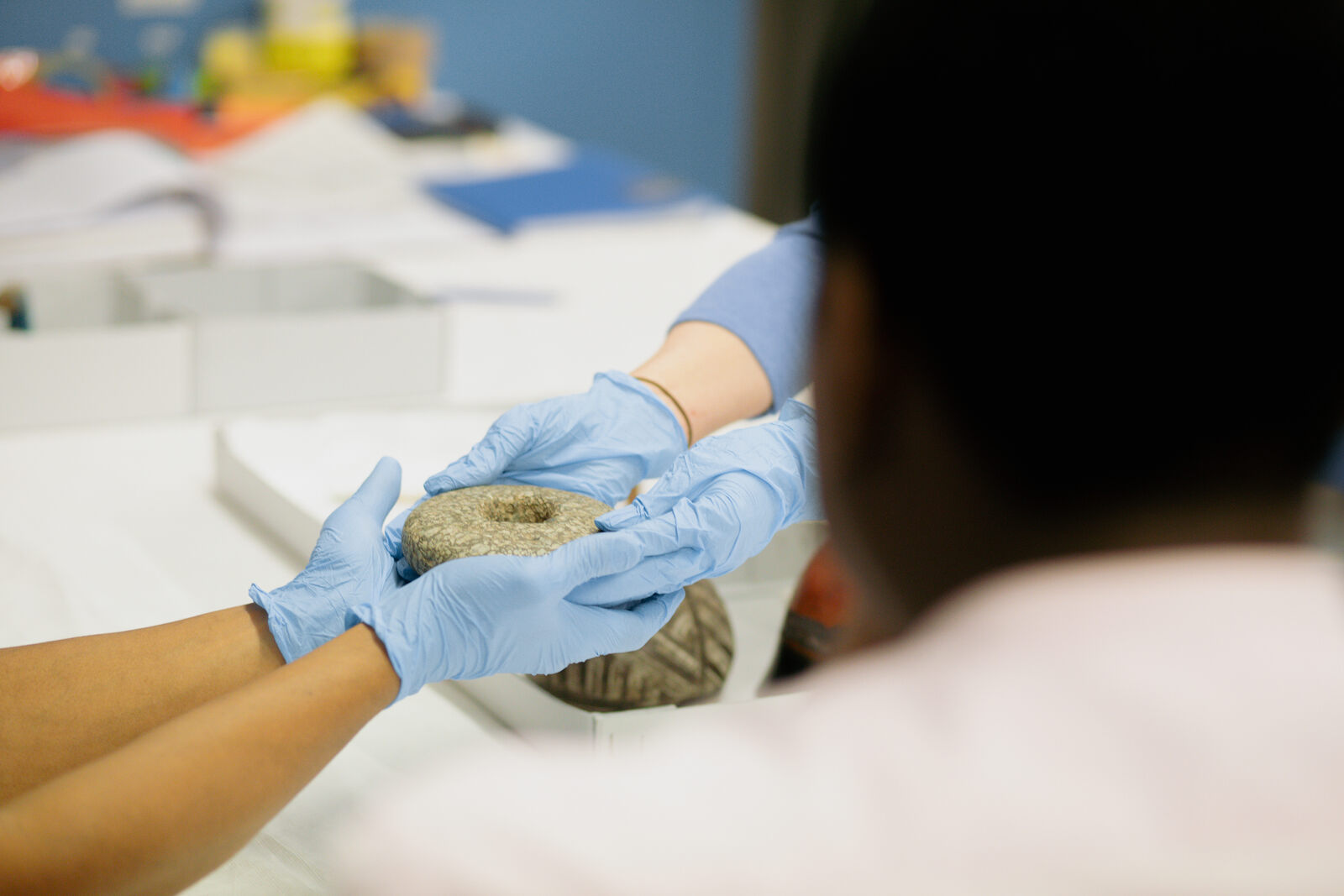
Alongside the reassessment of the Nubian collection, the project also enables an exchange on practical questions relevant to working with the war-affected collections and institutions of NCAM, including damage assessment and conservation approaches.
In April 2026, workshops were also held with members of Sudanese communities in Berlin. These will be followed by a narrative slideshow and a documentary film. Both will be screened in Berlin, Cairo, and, as soon as possible, in Sudan, and will also be available online.
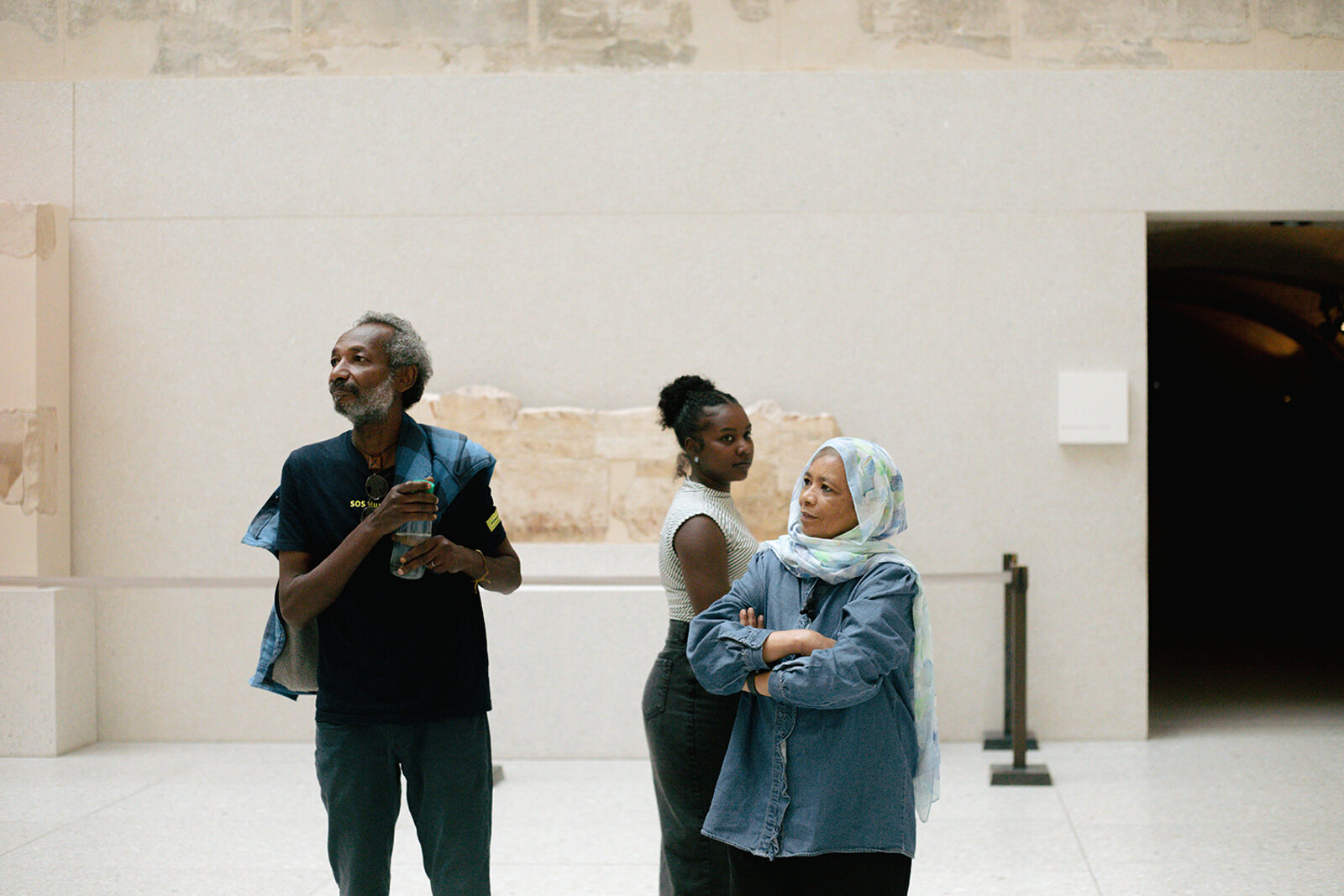
Ilona Regulski: “Shadia and I are both archaeologists, so of course we agree equally on certain scientific facts. But how you then interpret them, what you choose to focus on, depends on cultural and social background. That really came through when we spoke in Berlin in front of the stele of King Nastasen. For Shadia, the depictions of the women beside the king – his mother on the left and his wife on the right at the top of the stele – were especially important. The ancient title for a powerful queen, Kandake, even became a rallying cry for women during the Sudanese revolution of 2018/19. A photo of a modern-day Kandake went viral worldwide at the time.”
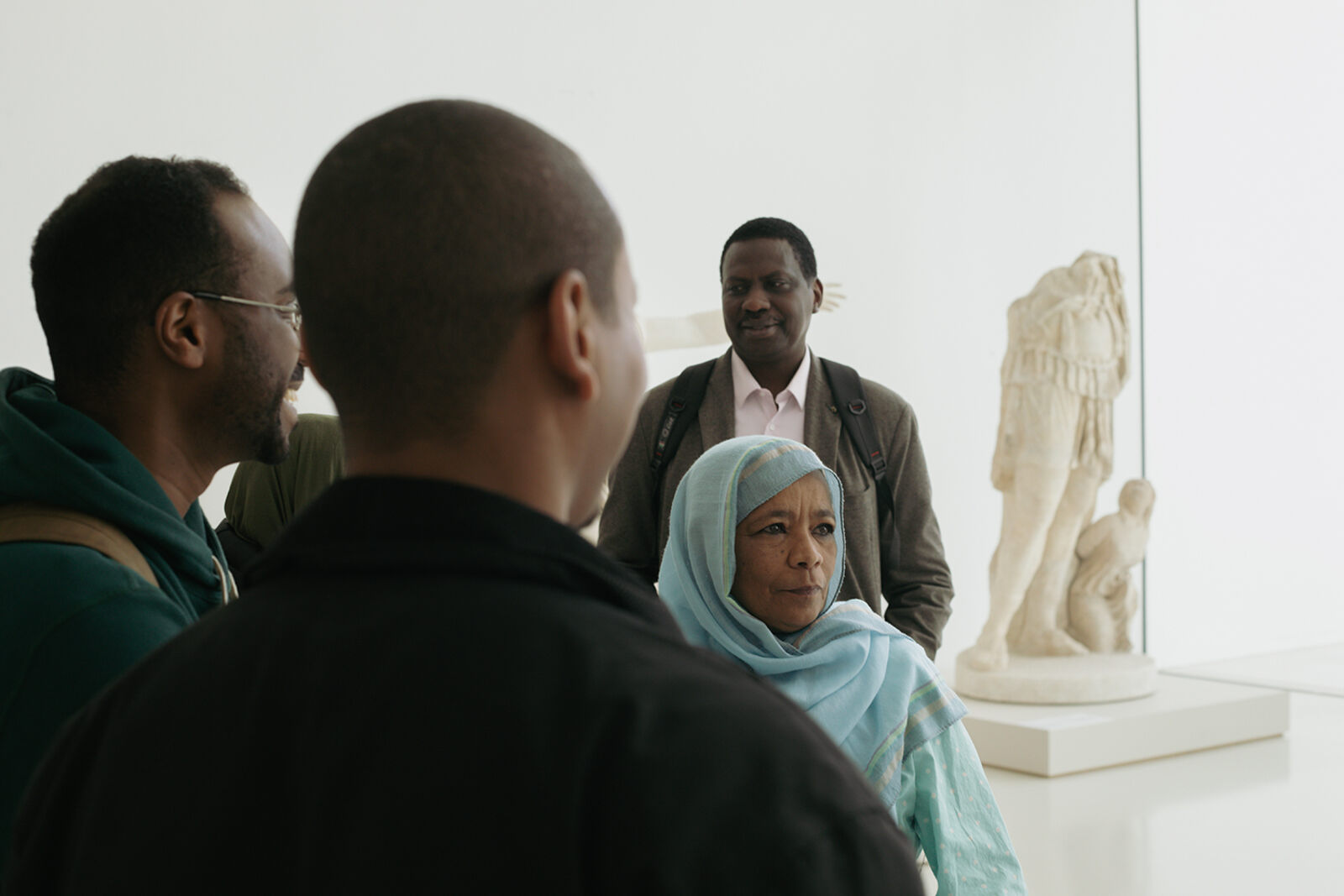
Shadia Abdrabo: “What particularly stood out to me was the representation of women on the coronation stele of King Nastasen. The king’s wife is depicted beside him, and the inscription also mentions his mother and his daughter. This highlights the important role and high status women held in Nubian society. For me, the stele demonstrates that women were not only part of the royal family but were also recognised as influential figures within the political and cultural life of the kingdom. It is a powerful reminder of the prominent position women held in ancient Nubian history, and offers an important perspective on the values and social structures of that time.”
Ägyptisches Museum und Papyrussammlung (ÄMP), Berlin, Germany
The ÄMP holds artefacts and written sources on the cultures of the Nile Valley from around 10,000 BC to the present day. It has a significant archive on Egyptology and Nubian studies, as well as a leading research library. Together with Sudan’s NCAM, the museum is using the project to expand knowledge of its own collections.
Project lead in the “Engage in dialogues” funding programme
National Corporation for Antiquities and Museums (NCAM), Khartoum, Sudan
NCAM is responsible for protecting and researching the country’s antiquities and archaeological sites in Sudan, including 15 museums that, until the outbreak of war in 2023, were home to the largest collection of Nubian archaeology. Today, they are partly destroyed and have been looted. The cooperation with the ÄMP builds on an existing cultural partnership between Germany and Sudan that predates the war and NCAM’s exile.
Project partner in the “Engage in dialogues” funding programme
Photos: Silke Briel