



Engage in dialogues
Friedenstein Stiftung Gotha, Gotha, Germany
Xi’an Qujiang Museum of Fine Arts, Xi’an, Shaanxi, China
The historic China Cabinet at Friedenstein Palace in Gotha is one of Europe’s earliest East Asian collections, yet this treasure remains little known internationally. In the funded project “Gotha: Treasury of European Court and Knowledge Culture”, museum professionals from Thuringia and the Chinese city of Xi’an are working together in a transcultural exchange to decode porcelain, gold objects, and fans. They are bringing regional collection histories into a global dialogue – and vice versa.
Following the success of the earlier exhibition “China’s Gold and Gotha’s Treasures” in Gotha, researchers increasingly recognised that early European inventories often recorded East Asian objects only under broad collective terms such as “Chinese bowl”.
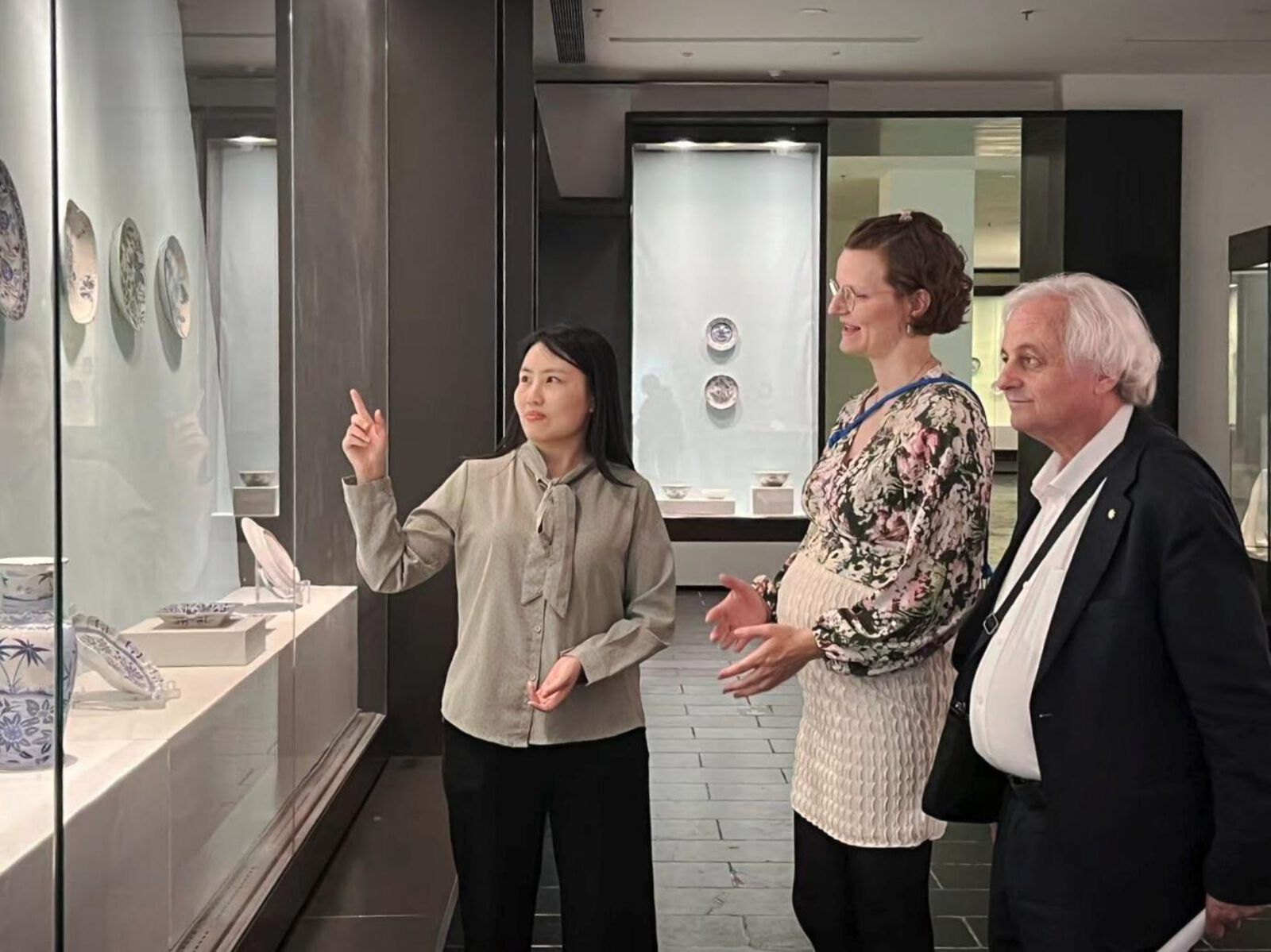
In 2026, Sonja Grulke and Rainer Vollkommer of the Friedenstein Stiftung Gotha set out to investigate this further, together with museum director Lin Shaoping and her team from the Xi’an Qujiang Museum of Fine Arts. Their goal: to decode the object histories of the China Cabinet of Duke August of Saxe-Gotha-Altenburg (1772–1822) and interpret them across cultures. At a first research meeting in early summer in Xi’an, the focus was on the porcelain collection as well as gold and silver work. Comparing findings across cultures revealed the outlines of fascinating stories: global trade relationships, craft techniques, and, above all, centuries of mutual influence between Europe and China.
During the joint review, several Gotha porcelain pieces were clearly identified as historical export ware, while objects with European-inspired motifs were found in Xi’an. These historical objects seem like messengers of a centuries-old cultural diplomacy.
The project aims to give Gotha’s collection greater international visibility, while also advancing research into it. A key part of the project is preparing an intercultural exhibition in Xi’an in November 2026, which will situate Gotha’s role in European court and knowledge history within an international context.
“To me, dialogue means that both sides contribute something and are willing to question their own perspective. It’s not about conveying one’s own knowledge in one direction, but about developing something new together through international exchange on equal terms.”
Sonja Grulke, curator, Friedenstein Stiftung Gotha
“Making the multiple voices and global significance of both institutions’ collections visible and giving them international reach: that is precisely what this project achieves so well. The long history of cultural exchange between China and Europe is reflected precisely in this kind of cooperation between Chinese and German museums.”
Lin Shaoping, Acting Director, Xi’an Qujiang Museum of Fine Arts
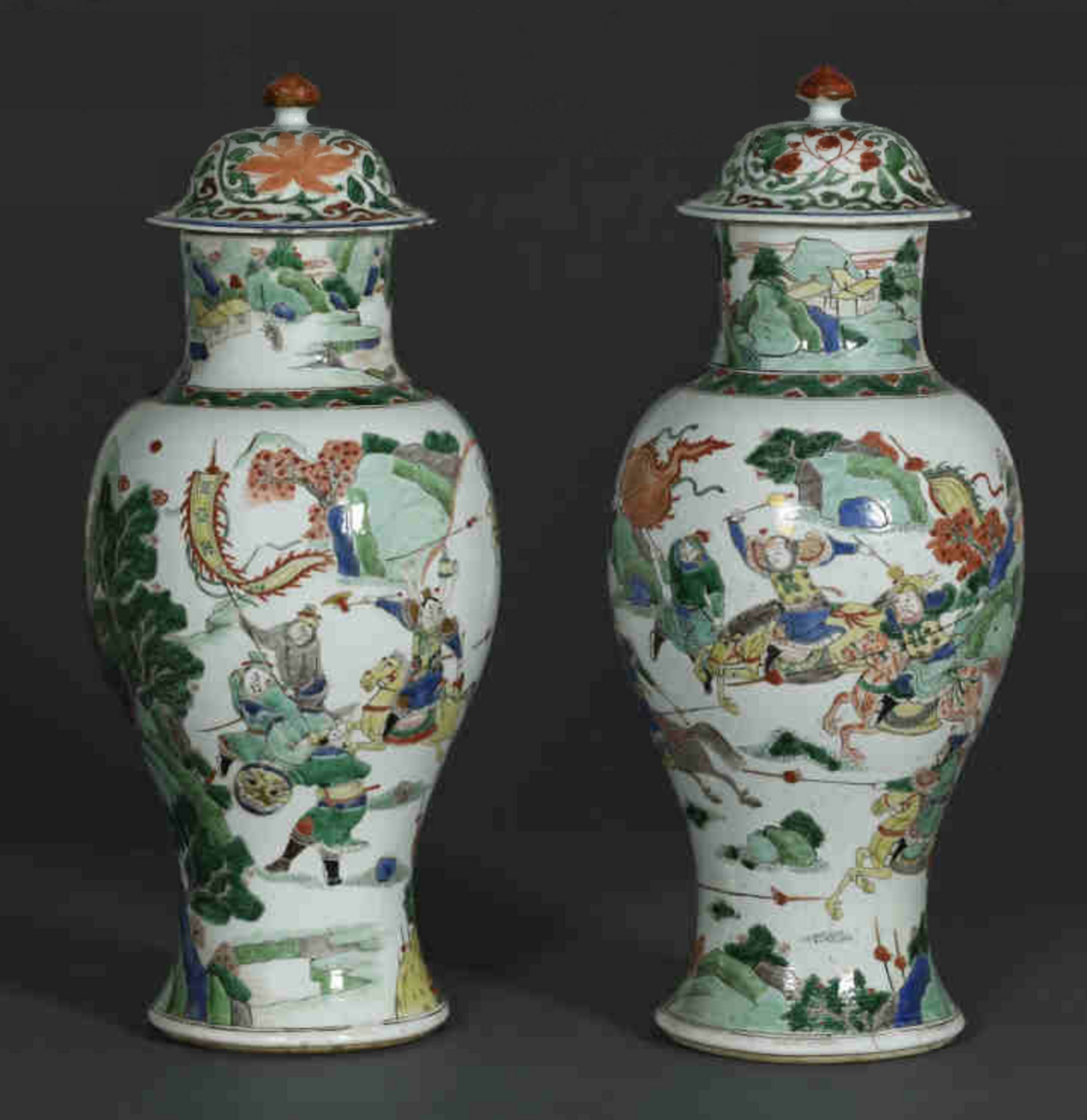
Chinese lidded vases for the European market, c. 1700, Friedenstein Stiftung Gotha: Splendid vessels of this kind were made in China specifically for European palaces and according to Western tastes.
Sonja Grulke: “What feels familiar to us in Gotha is read and assessed quite differently from a Chinese perspective. Working on the objects together brings about a genuine shift in perspective. We bring our knowledge of Gotha’s collection history – and our colleagues in Xi’an contribute their specialist and cultural expertise on symbolism and production. This dialogue changes the way we look at individual objects. And it shows Gotha as a site of historical, global knowledge networks.”
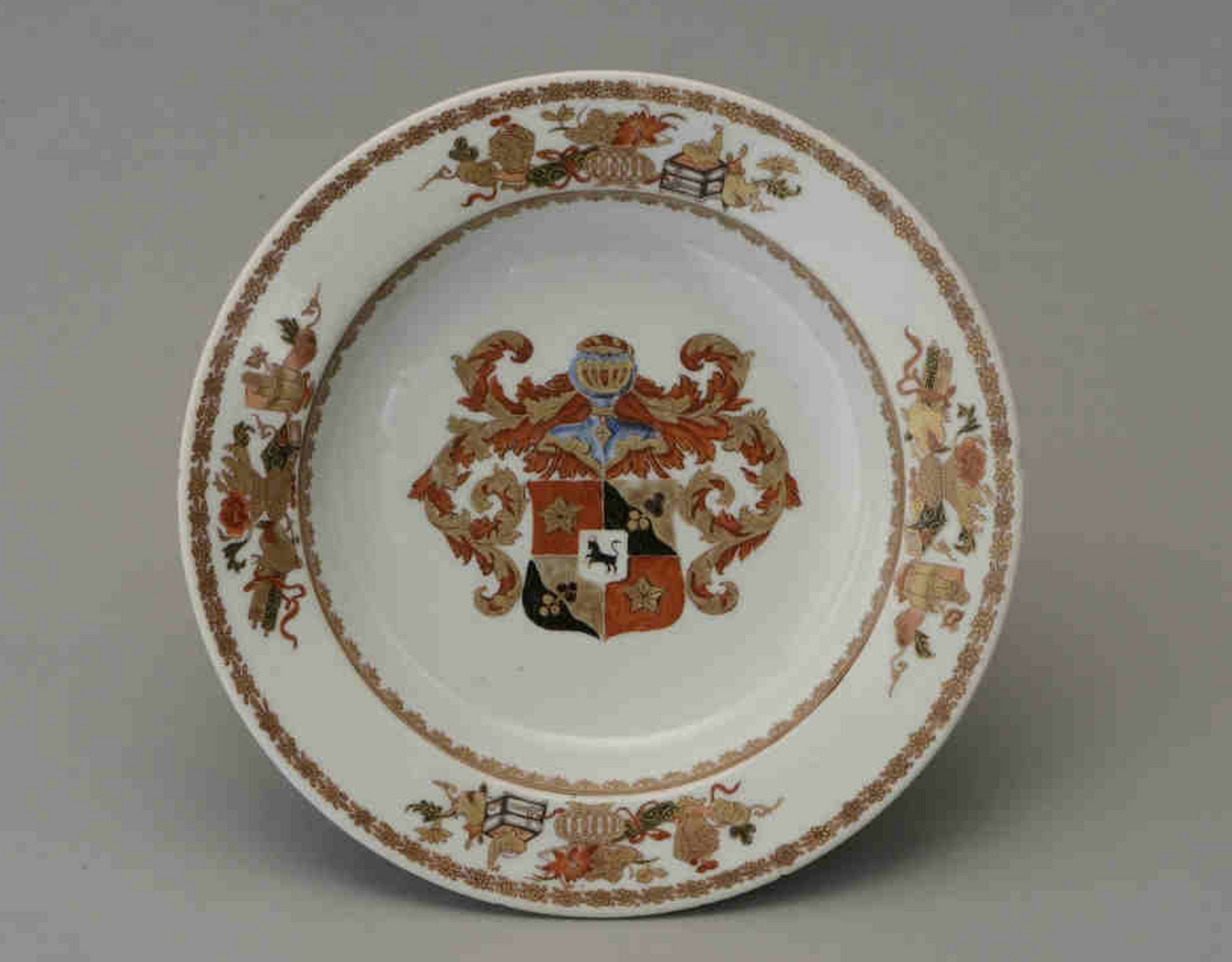
Porcelain plate with Dutch coat of arms, made in Guangzhou, c. 1730, Friedenstein Stiftung Gotha. A prime example of Chine de commande: European noble houses commissioned services bearing their family coats of arms directly from China, where painters transferred Western designs onto the finest porcelain.
Lin Shaoping: “With Gotha, we are building a long-term, sustainable partnership grounded in our scholarly curiosity and our passion for intercultural dialogue. Together, we will be able to develop our research activities even further – particularly the narratives for the major co-curated exhibition in the autumn, as well as the accompanying publications and the exchange of digital resources.”
Friedenstein Stiftung Gotha, Gotha, Germany
The Friedenstein Stiftung Gotha preserves and communicates the heritage of Friedenstein Palace and cares for one of Europe’s most significant early modern universal collections, comprising more than a million objects. With contemporary research and outreach formats such as “Gotha transdigital”, the foundation connects its historical holdings to questions of global relevance today.
Lead institution in the “Engage in dialogues” funding programme
Xi’an Qujiang Museum of Fine Arts, Xi’an, Shaanxi, China
The Xi’an Qujiang Museum of Fine Arts holds outstanding collections of ancient Chinese art, including gold and ceramic treasures ranging from the Ming dynasty to the present day. As an internationally connected institution, it works with partner institutions to research topics such as global trade routes and the stylistic development of Chinese export art.
Project partner in the “Engage in dialogues” funding programme
Photo: Lin Shaoping with Sonja Grulke and Rainer Vollkommer in the porcelain exhibition in Xi’an.